
South Africa
South Africa Wine Regions: A World of Remarkable Diversity

Discover South Africa’s Extraordinary Wine Heritage
Exploring South African Wine: Heritage, Terroir and Innovation
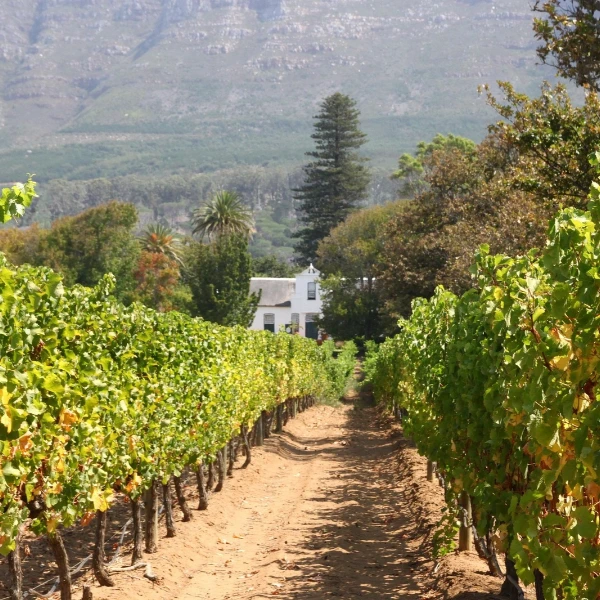
South Africa is one of the world’s most fascinating wine-producing countries, combining centuries of winemaking heritage with extraordinary geographical diversity and a rapidly evolving modern wine culture. Most vineyards are concentrated in the Western Cape, where dramatic mountain ranges, fertile valleys and the influence of the Atlantic and Indian Oceans create an exceptional range of growing conditions. From historic wine-growing landscapes to emerging vineyard areas, South African wine reflects a remarkable combination of tradition, experimentation and regional identity.
Although much of the country’s established wine landscape experiences a Mediterranean climate, vineyard conditions vary considerably between coastal districts, sheltered inland valleys and higher-altitude mountain slopes. Cooling ocean breezes help moderate summer temperatures in areas such as Constantia and Walker Bay, while warmer inland regions benefit from abundant sunshine and carefully managed irrigation. Soils are equally diverse, including ancient granite, sandstone, shale and alluvial deposits, allowing different grape varieties to express distinctive characteristics across individual wine-growing areas.
Chenin Blanc holds a special place in South African viticulture, producing wines ranging from fresh, vibrant everyday whites to concentrated, ageworthy expressions from old vineyards. Sauvignon Blanc and Chardonnay contribute further diversity, while Cabernet Sauvignon, Syrah, Merlot and the distinctly South African Pinotage form an important part of red wine production. The country is also celebrated for traditional-method sparkling wines known as Méthode Cap Classique, alongside increasingly ambitious blends and single-vineyard bottlings.
South Africa’s wine landscape extends far beyond its best-known destinations. Historic areas such as Stellenbosch, Paarl and Constantia coexist with the rugged vineyards of Swartland, the maritime landscapes of Cape South Coast, the mountain valleys of Klein Karoo and the productive districts of the Breede River Valley. Olifants River adds another dimension through its contrasting river valleys and mountain vineyards, while smaller wine-growing areas beyond the Western Cape demonstrate the country’s broader geographical potential.
South African wine is defined by diversity: from ocean-cooled vineyards and ancient soils to distinctive grape varieties and innovative approaches, the country offers an extraordinary spectrum of wine styles and regional experiences.
From Historic Cape Vineyards to Hidden Wine Treasures
Discover the Wine Regions That Shape South Africa
South Africa’s wine geography is shaped by five major wine regions within the Western Cape: Coastal Region, Cape South Coast, Breede River Valley, Klein Karoo and Olifants River. Together, they encompass many of the country’s best-known wine districts, from internationally celebrated vineyard landscapes to lesser-known mountain valleys and coastal growing areas. Beyond these regions, additional districts and smaller officially recognised wine-growing areas extend across the Western Cape and into other parts of South Africa. This geographical diversity helps explain why the country’s wines display such contrasting styles, from elegant cool-climate whites to concentrated reds and distinctive fortified wines.
The Coastal Region brings together celebrated districts including Cape Town, Stellenbosch, Paarl, Franschhoek, Wellington, Swartland, Darling, Tulbagh and Lutzville Valley. Stellenbosch is particularly renowned for Cabernet Sauvignon and structured red blends, while Swartland has developed an international reputation for old-vine Chenin Blanc, Syrah and Mediterranean varieties. Cape Town includes historic Constantia and the maritime-influenced vineyards of Durbanville, while Paarl and Franschhoek combine established winemaking traditions with dramatic mountain landscapes. Darling, Wellington, Tulbagh and Lutzville Valley contribute further contrasts in climate, soils and grape varieties.
Along the southern coastline, Cape South Coast encompasses Cape Agulhas, Elgin, Overberg, Plettenberg Bay, Swellendam, Walker Bay, Lower Duivenhoks River and Still Bay. Cooling maritime influences and varied elevations make parts of this region particularly suitable for Pinot Noir, Chardonnay and Sauvignon Blanc. Elgin and Walker Bay are internationally recognised for refined cool-climate wines, while Cape Agulhas is associated with windswept vineyards and expressive Sauvignon Blanc and Syrah. Farther east, Plettenberg Bay has developed a reputation for traditional-method sparkling wines, while the lesser-known coastal districts contribute to the region’s geographical diversity.
Inland, Breede River Valley includes Breedekloof, Worcester and Robertson, three districts associated with productive river valleys and a broad range of wine styles. Robertson is particularly recognised for Chardonnay and Méthode Cap Classique, while Breedekloof is known for Chenin Blanc. Klein Karoo offers a contrasting landscape of dry valleys and rugged mountains, with Calitzdorp celebrated for Portuguese grape varieties and fortified wines and Langeberg-Garcia contributing another distinctive inland environment. Farther northwest, Olifants River encompasses Citrusdal Valley and Citrusdal Mountain, where warm river landscapes contrast with elevated vineyards and old-vine Grenache and Chenin Blanc from areas such as Piekenierskloof.
South Africa’s officially recognised wine geography also extends beyond these five regions. Within the Western Cape, districts such as Ceres Plateau and Nuveld-Karoo, together with the Cederberg ward, represent additional growing environments. Farther north, the Northern Cape includes Central Orange River, Douglas and Sutherland-Karoo, while KwaZulu-Natal contains the recognised Central Drakensberg and Lions River districts. Smaller wine-growing areas include St Francis Bay in the Eastern Cape and Rietrivier in the Free State. These locations illustrate the geographical reach of South African viticulture, even where commercial wine production remains relatively limited or less internationally established.
From the historic vineyards of Stellenbosch to the cool maritime landscapes of Cape South Coast, the mountain valleys of Klein Karoo and emerging wine-growing areas beyond the Western Cape, South Africa offers an exceptionally diverse and continually evolving wine landscape.