
Germany
Germany Wine Regions: A World of Remarkable Diversity

Discover Germany’s Extraordinary Wine Heritage
Exploring German Wine: Tradition, Terroir and Innovation
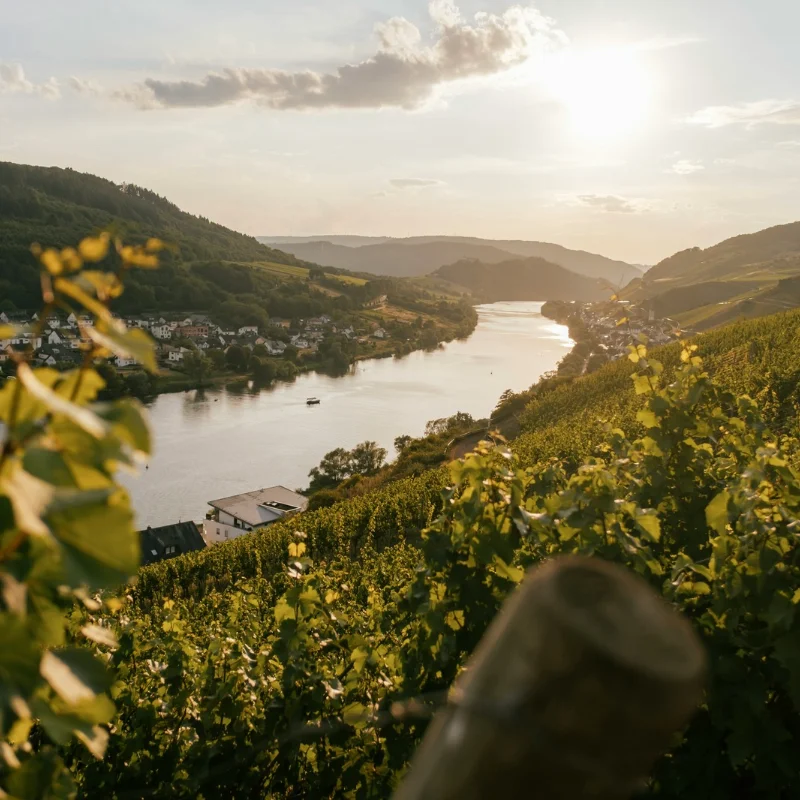
Germany is one of Europe’s most fascinating wine-producing countries, combining centuries of viticultural heritage with remarkable regional diversity. From the steep, slate-covered slopes of the Mosel to the sun-drenched vineyards of Baden, German wine reflects an extraordinary range of landscapes, climates and winemaking traditions. While Riesling remains the country’s internationally celebrated signature grape, Germany also produces elegant Pinot Noir, aromatic white wines and an increasingly diverse selection of distinctive regional varieties.
The country’s wine regions stretch across river valleys, volcanic landscapes, limestone hillsides and sheltered southern slopes. These different environments influence grape selection, ripening conditions and wine character. Cool-climate viticulture has traditionally shaped German wine, encouraging freshness, aromatic precision and vibrant acidity. However, warmer growing seasons and evolving vineyard practices are also creating new opportunities for red wines and previously less prominent grape varieties.
Germany’s wine identity extends far beyond its most famous names. Traditional grapes such as Silvaner, Elbling and Trollinger coexist with modern crossings including Kerner, Dornfelder and Scheurebe. Meanwhile, sustainable vineyard management, organic production and disease-resistant PIWI varieties are becoming increasingly important as growers respond to environmental challenges and changing consumer expectations.
From internationally recognised estates to small family-owned wineries, German producers continue to balance tradition with experimentation. The result is a wine landscape where historic regional specialities, contemporary winemaking and emerging styles offer something for almost every wine enthusiast.
German wine is defined not by a single grape or style, but by the remarkable diversity of its regions, traditions and evolving wine culture.
From Famous Vineyards to Hidden Regional Treasures
Discover the Wine Regions That Shape Germany
Germany’s 13 official wine-growing regions, known as Anbaugebiete, offer an extraordinary journey through distinctive landscapes, grape varieties and regional traditions. From the internationally celebrated vineyards of the Mosel and Rheingau to the historic wine villages of Franken and the warmer southern landscapes of Baden, each region contributes its own identity to the country’s remarkable wine culture.
Along the Mosel, Saar and Ruwer, steep vineyards and slate-rich soils provide the setting for some of the world’s most celebrated Riesling wines. The Rheingau combines historic estates with a longstanding reputation for elegant whites, while the neighbouring Nahe offers exceptional geological diversity. Rheinhessen, Germany’s largest wine-growing region, has developed a dynamic reputation through ambitious producers, distinctive vineyard sites and a broad selection of grape varieties.
Further south, the Pfalz benefits from relatively warm growing conditions and produces everything from expressive Riesling to increasingly sophisticated Spätburgunder. Baden stretches across a remarkable range of landscapes and is particularly associated with Pinot varieties, while Württemberg maintains a distinctive red wine tradition built around Trollinger, Lemberger and other regional specialities. Franken, famous for Silvaner and its traditional Bocksbeutel bottle, offers another interpretation of German wine shaped by limestone, sandstone and historic vineyard communities.
Germany’s smaller regions are equally fascinating. The Mittelrhein follows dramatic stretches of the Rhine, while the Hessische Bergstraße combines sheltered vineyard slopes with a relatively mild climate. Farther east, Sachsen and Saale-Unstrut preserve centuries-old wine traditions in some of Europe’s more northerly commercial vineyard landscapes, producing distinctive wines from both familiar and lesser-known varieties.
Beyond the major regional identities lies an intricate network of wine districts, individual vineyard sites and local specialities. Exploring these geographical differences reveals why the same grape can produce remarkably different wines depending on where it grows. Riesling, for example, can express delicate citrus and pronounced acidity in one region, while developing riper orchard-fruit characteristics and a broader structure in another.
Germany’s wine landscape is also evolving. Producers are exploring sustainable viticulture, adapting to changing climatic conditions and rediscovering traditional grapes alongside modern disease-resistant varieties. This combination of heritage and innovation ensures that even established wine regions continue to offer new discoveries.
Explore Germany’s wine regions and their subregions to discover the vineyards, grape varieties and local traditions behind one of Europe’s most diverse wine-producing countries.