
Austria
Austria – Alpine Elegance and Remarkable Diversity


Alpine Landscapes, Exceptional Character
Austria Wine: Where Alpine Influences Shape the Vineyards
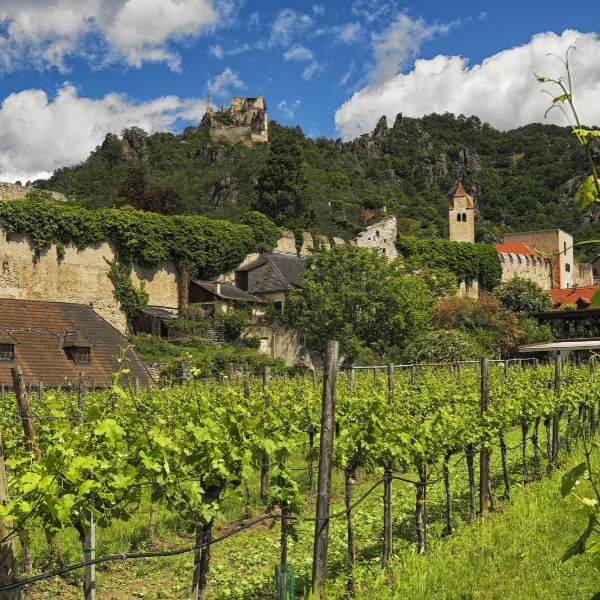
Austria occupies a distinctive position in European wine culture, combining Alpine influences, continental climates and centuries of viticultural tradition. Most vineyards lie in the eastern and southeastern parts of the country, where the Alps give way to rolling hills, river valleys and the warmer landscapes surrounding Lake Neusiedl. The Danube corridor provides some of the country’s most celebrated vineyard settings, while southern wine regions benefit from contrasting daytime warmth and cooler nights. This geographical diversity creates remarkably different growing conditions within a relatively compact wine-producing nation.
The country’s vineyards extend across an extraordinary range of soils, including primary rock, loess, limestone, gravel and volcanic formations. These differences influence water availability, vine growth and the development of flavour and structure in the grapes. Austria’s generally continental climate supports pronounced seasonal variation, while local influences from rivers, lakes and surrounding mountains create distinctive microclimates. The interaction between vineyard elevation, exposure and soil composition contributes to wines known for their freshness, precision and expressive regional character.
Austrian Wine Heritage and Modern Identity
Winemaking in Austria stretches back to antiquity, with viticulture developing through Roman settlement, medieval monasteries and generations of local winegrowing traditions. Over time, individual regions established their own identities, shaped by indigenous grape varieties and distinctive vineyard landscapes. Traditional wine taverns, known as Heuriger, remain an important part of the country’s wine culture, reflecting the close relationship between vineyards, local communities and everyday hospitality.
Today, Austrian wine combines this historical foundation with a strong emphasis on quality, regional identity and careful vineyard management. Sustainable and organic approaches have gained considerable importance, while modern cellar techniques allow growers to preserve the natural character of individual grape varieties. Rather than relying on a single internationally dominant style, Austria offers a broad spectrum of wines, from crisp, mineral-driven whites to elegant reds, aromatic specialities and concentrated sweet expressions.
From the Danube to Steiermark
Austria Wine Regions and Their Distinctive Landscapes
Austria’s wine geography is centred on four principal wine-producing federal states: Niederösterreich, Burgenland, Steiermark and Wien. Niederösterreich is the country’s largest wine-producing state, encompassing the renowned Danube vineyards of Wachau, Kremstal and Kamptal, alongside the broad loess landscapes of Weinviertel and the varied growing conditions of Thermenregion and Carnuntum. Grüner Veltliner and Riesling are particularly important in many of these areas, producing wines that range from vibrant and approachable to concentrated and age-worthy.
Burgenland offers a warmer expression of Austrian viticulture, with Lake Neusiedl influencing both vineyard conditions and wine styles. Blaufränkisch is particularly important in Mittelburgenland, Eisenberg and Leithaberg, while the lake’s autumn humidity creates favourable conditions for noble rot and the production of richly concentrated sweet wines. Wien contributes a distinctive urban wine culture, especially through its traditional field blends known as Wiener Gemischter Satz, demonstrating that significant viticulture can thrive within a European capital.
Steiermark and Austria’s Remarkable Grape Diversity
In southeastern Austria, Steiermark presents a contrasting landscape of steep hillsides, green valleys and varied soils. Its three principal wine regions, Südsteiermark, Vulkanland Steiermark and Weststeiermark, are especially associated with expressive white wines and distinctive regional specialities. Sauvignon Blanc, Weissburgunder, Welschriesling and Gelber Muskateller contribute to the region’s aromatic diversity, while Traminer maintains a particularly strong identity in Vulkanland Steiermark. Weststeiermark is renowned for Schilcher, the vibrant rosé traditionally produced from Blauer Wildbacher.
Across Austria, grape diversity extends well beyond its most internationally recognised varieties. Zweigelt and Blaufränkisch produce characterful reds, while Sankt Laurent, Pinot Noir and Blauer Portugieser contribute further stylistic variation. White varieties such as Neuburger, Rotgipfler, Zierfandler and Roter Veltliner preserve important regional traditions. This combination of familiar grapes and local specialities makes Austrian wine particularly rewarding to explore, revealing how geography, climate and viticultural heritage shape the identity of individual wine regions.