
New Zealand
New Zealand – Two Islands, Extraordinary Diversity


From Pacific Coastlines to Alpine Vineyards
New Zealand Wine: Where Ocean, Mountains and Vines Meet
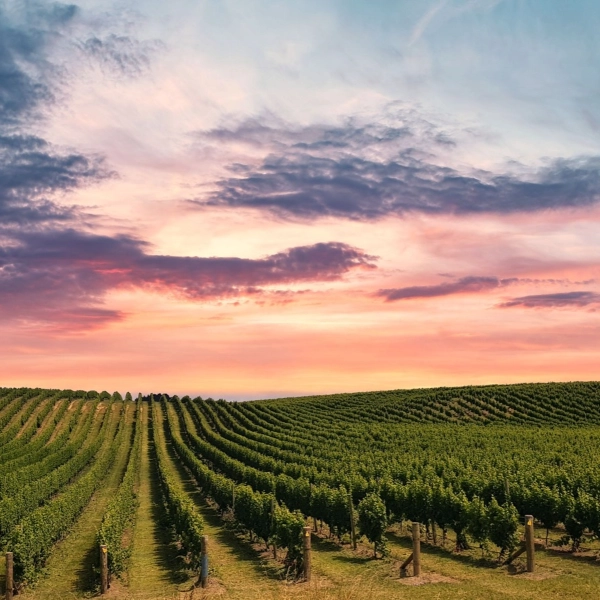
New Zealand wine has earned an international reputation for vibrant freshness, expressive aromas and distinctive regional character. Stretching across the North and South Islands, the country’s vineyards occupy a remarkable variety of landscapes, from sheltered coastal valleys and volcanic terrain to gravelly river plains and dramatic alpine foothills. The surrounding Pacific Ocean moderates temperatures across much of the country, while differences in latitude, elevation and mountain exposure create contrasting growing conditions. Sauvignon Blanc has become New Zealand’s internationally recognised signature grape, particularly in Marlborough, where intense citrus, passion fruit and herbal aromas define a celebrated wine style. Pinot Noir, Chardonnay, Riesling and Syrah contribute further diversity, demonstrating the country’s ability to produce both elegant cool-climate wines and more structured expressions from warmer regions.
The geological diversity of New Zealand adds another dimension to its wines. Ancient river deposits, gravel terraces, volcanic soils, limestone formations and clay-rich hillsides create distinctive vineyard environments across the islands. In Hawke’s Bay, well-drained gravel soils and relatively warm conditions support Syrah, Chardonnay and Bordeaux varieties, while Martinborough is celebrated for Pinot Noir grown on ancient river terraces. Farther south, Marlborough combines abundant sunshine with cooling maritime influences, and Central Otago’s continental climate produces pronounced differences between warm summer days and cold nights. These contrasts influence grape ripening, natural acidity and aromatic development, illustrating how climate and geology shape the remarkable diversity of New Zealand wine.
Explore New Zealand’s Distinctive Wine Regions
New Zealand Wine Regions: From Marlborough to Central Otago
New Zealand’s wine regions reveal striking differences between the warmer north and the cooler southern vineyards. On the North Island, Northland and Auckland have historical connections to the country’s early wine industry, while Gisborne is particularly associated with Chardonnay and aromatic white varieties. Hawke’s Bay combines maritime influences with warmer growing conditions, producing expressive Syrah, Chardonnay and Cabernet Sauvignon blends. Wairarapa, including the renowned Martinborough winegrowing area, has developed a strong reputation for elegant Pinot Noir. These northern regions demonstrate how differences in rainfall, temperature, soil composition and coastal exposure create distinctive wine styles within relatively short geographical distances.
On the South Island, Marlborough dominates New Zealand’s international wine identity through its celebrated Sauvignon Blanc, while Nelson offers a smaller-scale landscape known for aromatic white wines and Pinot Noir. North Canterbury combines limestone-influenced hillsides and river terraces, supporting Pinot Noir, Chardonnay and Riesling. Farther south, Central Otago is recognised for its dramatic mountain scenery, continental climate and expressive Pinot Noir, alongside Riesling, Pinot Gris and Gewürztraminer. Smaller winegrowing areas, including Waitaki Valley, further illustrate the country’s geographical diversity and the continued exploration of cooler vineyard environments. Together, these regions reveal a wine landscape shaped by maritime influences, alpine conditions and an extraordinary variety of grape-growing possibilities.