
Australia
Australia Wine Regions: Extraordinary Diversity Down Under


Discover the Grapes, Landscapes and Character of Australian Wine
Australian Wine: A Continent of Contrasts
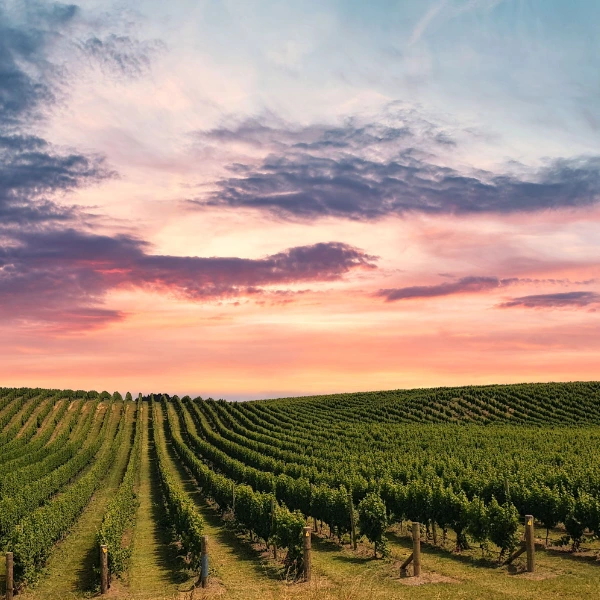
This country is home to an extraordinary diversity of wine-growing landscapes, from sun-drenched inland valleys to cool coastal vineyards and elevated mountain regions. Differences in climate, ancient geological formations and vineyard conditions create a remarkable range of wine styles, each reflecting its growing environment.
Shiraz, Cabernet Sauvignon, Chardonnay and Riesling are among it’s internationally recognised grape varieties, alongside historic Grenache plantings and an expanding selection of Mediterranean grapes. The country’s wine identity combines traditional viticulture, innovative winemaking and an increasing appreciation of regional character.
From Historic Vineyards to Modern Winemaking Innovation
Australian Wine: Tradition, Innovation and Terroir
Australia’s wine heritage includes some of the world’s oldest surviving productive vineyards, alongside a modern industry recognised for experimentation and technical expertise. From dry farming and old-vine cultivation to contemporary fermentation techniques, producers combine established traditions with new approaches to wine quality and expression.
Climate, soil composition, altitude and water availability influence vineyard management throughout the country. Coastal influences and cooler growing conditions encourage freshness and elegance, while warmer regions can produce wines with greater concentration and richness. These contrasts help explain the diversity of Australian wine without defining the character of every individual region.
Growing interest in sustainable viticulture, alternative grape varieties and individual vineyard identity continues to shape the wine industry. Its combination of historical foundations and modern ambitions makes the country a fascinating destination for exploring the relationship between geography, grape varieties and wine styles.